

Jazz at Westminster Presbyterian Church: The Lived Experiences of DC’s Musicians — Part 2.
Funded by a generous grant from DC Humanities, this oral history project documents the memories, perspectives, and lived experiences of musicians and cultural leaders connected to Westminster Presbyterian Church and its important role in Washington, DC’s jazz community.
Through these recorded conversations, the project preserves firsthand accounts of the artists, relationships, performances, and community traditions that have helped make Westminster a vital home for jazz in the District.


Alex Hamburger interview
Alex Hamburger is a flutist, vocalist, and composer from Silver Spring, Maryland, whose musical life has been deeply rooted in the Washington, D.C. area. Raised in a family of working artists, she began playing flute as a child, studied classical flute with Carrie Rose and Karen Johnson, and developed as a jazz musician through Paul Carr’s Jazz Academy and the Levine School of Music. She later attended SUNY Purchase, participated in the Focusyear program in Basel, Switzerland, and built a career performing, composing, and presenting music in Washington, D.C., New York, and beyond. Hamberger remains an active figure in the D.C. jazz community.

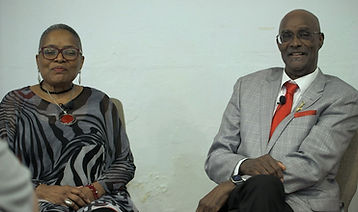
Esther Williams Yarborough and Davey Yarborough interview
Esther Williams Yarborough is a vocalist and performer whose career spans jazz, R&B, disco, and studio recording. Originally from Waukegan, Illinois, she moved to Washington, D.C. in 1968, where she became an active member of the city’s music community, performing with numerous bands, recording with artists and producers, and touring nationally. Davey Yarborough is a Washington, D.C.–based saxophonist, multi-instrumentalist, educator, and bandleader. Born in 1953, he developed as a musician through D.C.’s public school music programs and mentorship under figures such as Dr. Arthur Dawkins. Yarborough has performed extensively across genres and built a distinguished career in music education, including founding and leading the jazz program at the Duke Ellington School of the Arts. Together, Esther and Davey Yarborough have contributed significantly to the cultural and musical life of Washington, D.C. as performers, educators, and community leaders.
Akua Allrich interview
Akua Allrich is a Washington, D.C.–based vocalist, composer, educator, and cultural practitioner whose work blends jazz, soul, and global Black musical traditions. Raised in a Pan-African household and deeply connected to NationHouse, an independent African-centered school founded by her family, she developed a strong foundation in music, dance, and cultural expression from an early age. Allrich studied jazz at Howard University, where she trained under prominent educators and performers. After an initial period focused on family and social work, she launched her professional music career in 2008, gaining recognition for her tribute performances to Nina Simone and Miriam Makeba and her work with “Akua Allrich & The Tribe.” She has performed extensively in Washington, D.C. and internationally, and remains active in arts education, including her work with NationHouse and CapitalBop. Her artistry centers on cultural identity, community engagement, and the transformative power of music.

Paul Carr interview
Harold Paul Carr is a jazz saxophonist, educator, and arts administrator originally from Houston, Texas. He began playing saxophone in his youth and gained early recognition as a member of the acclaimed Cashmere High School stage band. Carr attended Texas Southern University and later transferred to Howard University, where he studied under Fred Irby III and performed with the Howard University Jazz Ensemble. After settling in Washington, D.C., he established himself as a leading figure in the city’s jazz community through performances, teaching, and mentorship. Carr founded the Jazz Academy of Music in 2002, providing training and performance opportunities for young musicians, and later became the Founder and Executive Director of the Mid-Atlantic Jazz Festival. He serves as a professor at Howard University, continuing a legacy of jazz education and community engagement.

Leigh Pilzer interview
Leigh Pilzer is a Washington, D.C.–based baritone saxophonist, composer, arranger, and educator. Born in Washington, D.C. and raised in Chevy Chase, Maryland, she began her musical studies on piano and cello before transitioning to saxophone. Pilzer studied at Montgomery College and Berklee College of Music, later earning graduate degrees in music from the University of Maryland. She has performed extensively with big bands, small ensembles, and touring groups, including appearances with the National Symphony Orchestra and the Diva Jazz Orchestra. An active educator, Pilzer has taught jazz theory, arranging, and ensemble performance at the University of Maryland and has contributed significantly to the region’s jazz education community. She is also a bandleader and recording artist, including her project Leigh Pilzer’s Seven-Pointed Star. Her work reflects a deep commitment to jazz tradition, ensemble playing, and the advancement of women in jazz.

Elijah Easton interview
Elijah Easton is a Washington, D.C.–based saxophonist and educator. Born and raised in Southeast Washington, D.C., he began his musical journey through school music programs and church, later developing his skills under the mentorship of local musicians and educators. Easton attended the Duke Ellington School of the Arts, where he studied with Davey Yarborough and built a foundation in jazz performance and musicianship. He continued his studies at the University of Manitoba before returning to Washington, D.C., where he established himself as an active performer in the city’s jazz community. Easton has performed with numerous ensembles and artists in Washington, D.C. and beyond, and is recognized for his commitment to musical discipline, mentorship, and community engagement. His work reflects a deep connection to the traditions and ongoing evolution of jazz in Washington, D.C.
